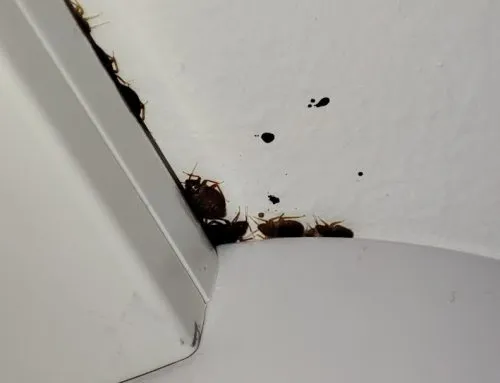
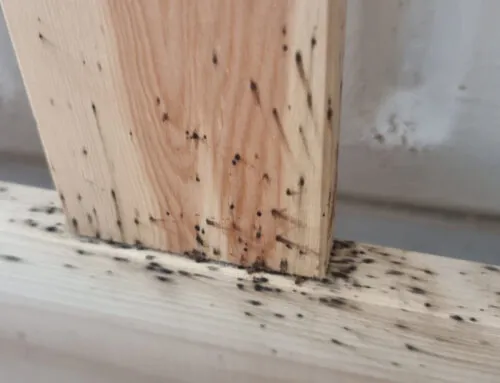
Bed bugs are notoriously difficult pests to get rid of, but do they have natural enemies? And is there anything that actually eats bed bugs?
Yes, bed bugs have natural predators. Certain ants, spiders, cockroaches, house centipedes and other predatory insects may eat bed bugs when they encounter them. However, none of these predators can be relied upon to eliminate a bed bug infestation.
Here’s what you need to know about the natural predators of bed bugs and why they aren’t an effective form of bed bug control.
Key Takeaways
- Bed bugs do have natural predators, including certain ants, spiders, cockroaches, house centipedes and predatory bugs.
- Some ants eat and kill bed bugs, but they cannot eliminate an established infestation.
- Some spiders eat bed bugs, although they are unlikely to encounter enough of them to control a population.
- Predators may potentially consume bed bug eggs, but eggs are often concealed in protected harbourages.
- There is no insect or animal that can reliably get rid of bed bugs naturally.
- Something eating an occasional bed bug is very different from controlling an entire infestation.
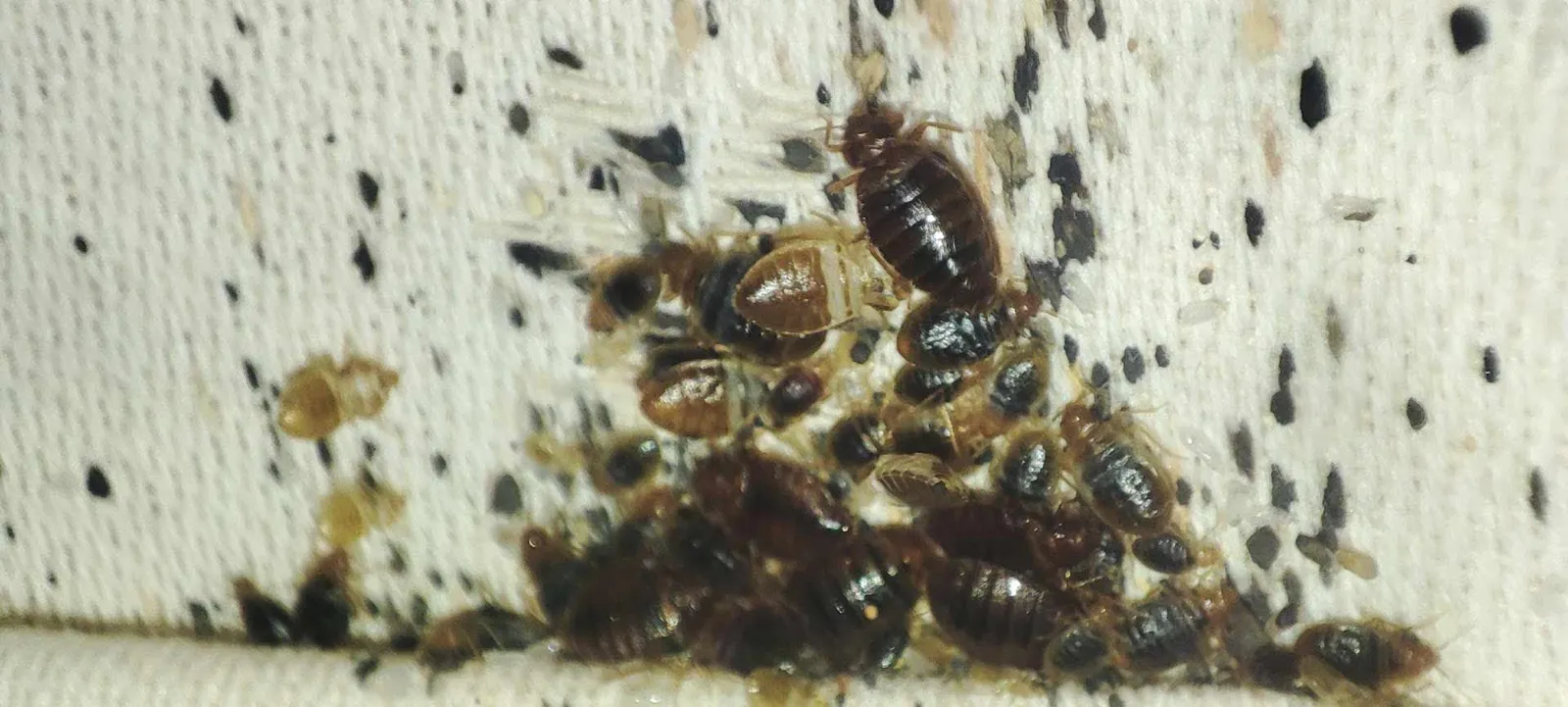
What Eats Bed Bugs?
Several insects and other arthropods may prey on bed bugs. Potential bed bug predators include:
- Certain ants
- Some spiders
- Cockroaches
- House centipedes
- Masked hunters and other predatory bugs
These creatures don’t necessarily seek out bed bugs as their preferred food. In many cases, they are opportunistic predators or scavengers that may eat a bed bug when they encounter one.
This distinction is important. Something being capable of eating bed bugs doesn’t mean it can control an infestation.
Bed bugs spend much of their time hidden in cracks, crevices, furniture, mattresses and bed frames. Natural predators are unlikely to find every adult, nymph and egg concealed around an infested room.
Do Bed Bugs Have Natural Predators?
Yes. Bed bugs have a number of potential natural enemies.
The common bed bug (Cimex lectularius) is a small, wingless insect that feeds on blood. Its flat body allows it to hide in extremely narrow spaces, usually close to places where people sleep or rest.
This behaviour also provides protection from predators.
Although another insect may catch an exposed bed bug, much of an infestation can remain safely concealed. Natural predation therefore has little practical value when it comes to controlling bed bugs inside a home.
Do Ants Eat Bed Bugs?
Yes, some ants can eat bed bugs.
Many ants are opportunistic feeders, and certain species prey on other small insects. If foraging ants encounter an exposed bed bug, they may attack and consume it.
However, this doesn’t mean all ants eat bed bugs. There are thousands of ant species with different diets and behaviours.
More importantly, ants cannot be relied upon to find every bed bug hiding in a property.
Do Ants Kill Bed Bugs?
Some ants can attack and kill individual bed bugs, but they will not eliminate an established infestation.
A bed bug population may contain adults, immature bed bugs known as nymphs, and eggs hidden across numerous harbourages. Killing a few exposed bugs will have little effect if the remainder of the population continues feeding and reproducing.
So while the answer to “do ants kill bed bugs?” can be yes, the answer to “will ants get rid of bed bugs?” is no.
Encouraging ants into your home would simply risk creating another pest problem.
Do Black Ants Eat Bed Bugs?
Some ant species commonly described as black ants may eat small insects, potentially including bed bugs.
However, “black ant” isn’t a single species, and feeding behaviour varies between ants. You shouldn’t assume that black ants found near an infestation are actively hunting bed bugs or will reduce their numbers significantly.
Do Spiders Eat Bed Bugs?
Some spiders may eat bed bugs if they catch them.
Spiders feed on a wide range of small arthropods, so an exposed bed bug can potentially become prey.
However, bed bugs are particularly good at staying hidden. They spend much of their time inside small cracks, mattress seams, furniture joints and other protected harbourages.
Spiders are therefore unlikely to encounter enough bed bugs to make a meaningful difference to an infestation.
Even if you see a spider catch and kill a bed bug, it doesn’t mean spiders can provide effective bed bug control.
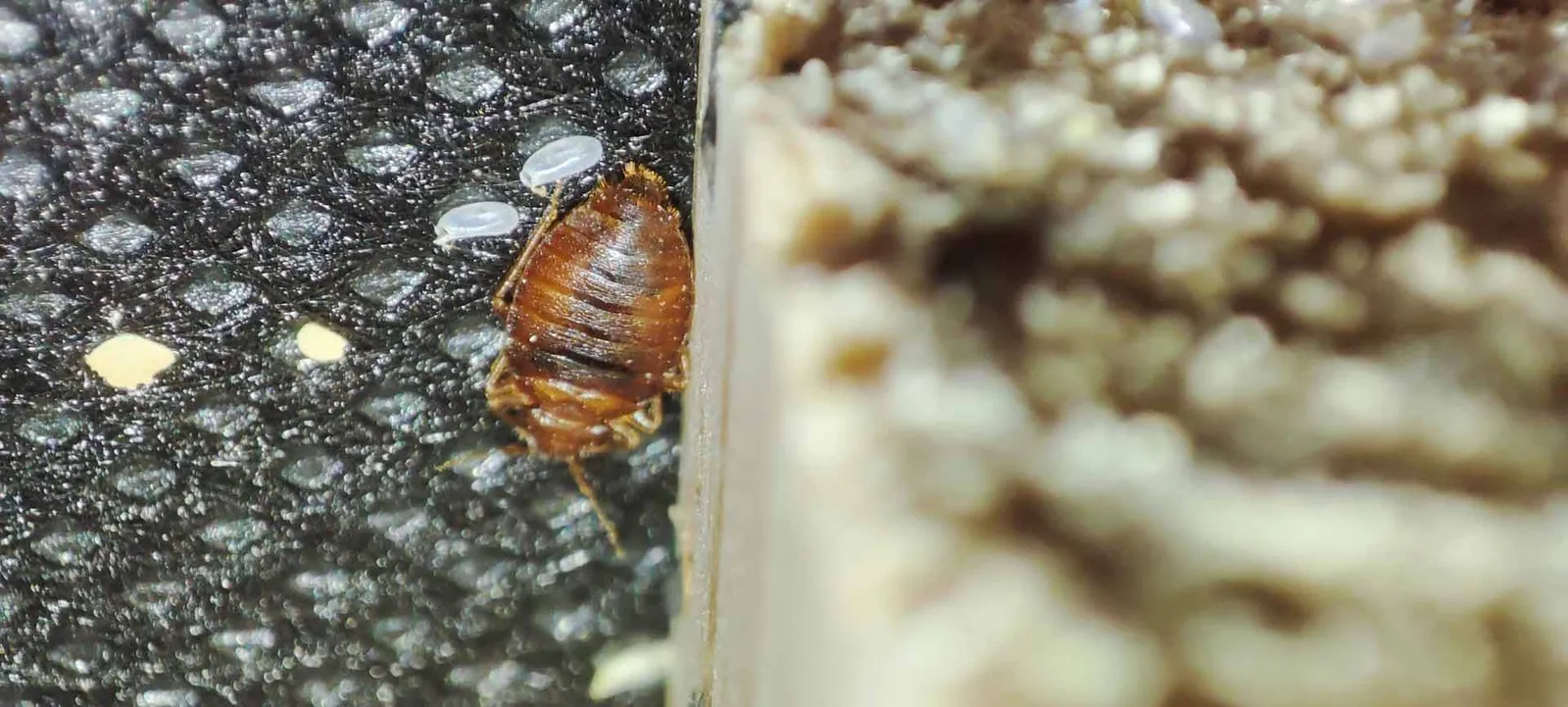
Do Cockroaches Eat Bed Bugs?
Cockroaches are opportunistic feeders that consume a wide variety of organic material. They may eat bed bugs if the opportunity arises.
But cockroaches are obviously not a solution to a bed bug problem.
They are household pests themselves and cannot systematically find and destroy all the bed bugs and eggs concealed throughout an infested room.
If a property has both cockroaches and bed bugs, one infestation shouldn’t be expected to solve the other.
Do House Centipedes Eat Bed Bugs?
House centipedes are predators that feed on various small arthropods found inside buildings.
They may prey upon exposed bed bugs, but, like spiders, they cannot reach every bed bug hiding inside furniture, cracks and other harbourages.
A house centipede eating the occasional bed bug will therefore have little effect on an established population.
What Other Bugs Eat Bed Bugs?
Another frequently mentioned natural enemy of bed bugs is the masked hunter (Reduvius personatus), a predatory insect belonging to the assassin bug family.
Masked hunters feed on other arthropods and have been associated with bed bugs. However, they should not be viewed as a form of biological pest control inside the home.
The same principle applies to all bugs that eat bed bugs: being able to kill individual bed bugs is very different from being able to eliminate an infestation.
What Eats Bed Bug Eggs?
Bed bug eggs are another reason natural predators are ineffective.
The eggs are tiny and are generally laid in protected locations. Even if an ant, cockroach or another opportunistic predator were to eat an egg it encountered, predators cannot be expected to locate all the eggs hidden around an infested property.
This matters because killing adult bed bugs without dealing with the remaining life stages can allow an infestation to continue.
Any effective bed bug control strategy therefore needs to consider adults, nymphs and eggs rather than only the bugs that are visible.
Do Animals Eat Bed Bugs?
Some insect-eating animals could potentially consume a bed bug, but there is no household animal that can be relied upon to control an infestation.
Mice, for example, are omnivorous and can eat insects, but they are not effective bed bug predators. Dogs and cats shouldn’t be expected to hunt or control bed bugs either.
In fact, bed bugs are blood-feeding insects. Although they are strongly associated with humans, they can obtain blood meals from other warm-blooded hosts under some circumstances.
There is therefore no animal that you can introduce into your home to naturally eliminate a bed bug infestation.
Why Don’t Natural Predators Get Rid of Bed Bugs?
The biggest problem is the way bed bugs live.
They are small, flat and excellent at hiding. During the day, bed bugs typically remain concealed in protected harbourages such as mattress seams, bed frames, headboards, furniture joints and cracks and crevices near sleeping areas.
Most potential predators are also generalist feeders. They aren’t specifically searching your home for bed bugs and have no reason to inspect every potential hiding place.
Even if predators eat some exposed bugs, other adults, nymphs and eggs can remain safely concealed.
This is why natural enemies don’t provide reliable bed bug control.
Can Natural Predators Get Rid of Bed Bugs?
No. Natural predators cannot be relied upon to get rid of bed bugs.
Ants may kill individual bed bugs. Spiders may catch them. Cockroaches, centipedes and predatory insects may also eat them under the right circumstances.
But none will systematically eliminate every life stage of an infestation.
Trying to encourage predators such as ants or cockroaches into an infested property could also leave you dealing with multiple pest problems instead of one.
Natural predators are an interesting part of bed bug biology, but they are not a practical substitute for proper bed bug control.
The Professional Alternative
When we, at Bed Bug Specialist treat a property for bed bugs, we don’t rely on luck. Our methods are designed for 100% mortality across the entire bed bug population. Our professional tools are designed to penetrate the porous grain of wooden furniture and the microscopic grooves of a bed frame.
If biological predators were an effective way to control bed bugs, we would use them. Unfortunately, this is not the case. Infestations last because bed bugs hide well, reproduce fast and have adapted to live with humans. So, if you have spotted any signs of a bed bug infestation, don’t waste your time with DIY pest control!
Do Bed Bugs Have Natural Enemies: Questions Answered
Author:
Todor Uzunov
Todor Uzunov is an Insect Control Entomologist at Bed Bug Specialist, with extensive hands-on experience in identifying, treating, and preventing a wide range of insect infestations. He holds a BPCA Level 2 qualification in Pest Management and is trained to provide safe, effective, and professional pest control solutions for both residential and commercial properties.